What is the Digital Literacy Conference?
This summer, the Learning Technology Center (LTC) is leading a brand-new conference which strives to make digital literacy front of mind for educators of all domains and grade levels. Today’s students need these new literacy skills in order to successfully locate, evaluate, interpret, and create information – both in and out of the classroom. In response to this need, we’ve created the Digital Literacy Conference to serve as the spark for innovative digital literacy education in Illinois.
Over the course of this one-day virtual event, the Digital Literacy Conference will offer an assortment of presentations focused on practical digital literacy pedagogy. These presentations will be separated into nine strands, ranging from computer literacy to digital resource ethics. Together, these strands will offer educators an opportunity to engage with the most important aspects of digital literacy in a single, content-rich gathering.
At its core, the Digital Literacy Conference is focused on reaching individuals with a stake in teaching digital literacy or guiding curricular decisions relating to digital literacy. With that in mind, we are inviting teachers, administrators, technology coaches, and library media specialists to take part in this conference, both as speakers and as attendees.
A Focus on Digital Literacy’s Many Strands
The Digital Literacy Conference will center around nine distinct strands, each focusing on a different component of fully-fledged digital literacy. Educators across all grade levels and subject areas will find relevant content within these strands, so don’t miss this chance to expand your digital literacy horizons.
Civics and journalism have never been more important in an era where the truth is under persistent attack. Presentations in this strand will help isolate the skills students need to separate fact from fiction, including the ability to find reliable sources, check credibility, and recognize false or misleading narratives.
Visual Literacy
Young people today interact with a lot of visual media, often without the skills to fully appreciate or contextualize what they are seeing. This strand will focus on several key competencies that can help build critical visual literacy, including the ability to interpret infographics, analyze images, design practical websites, and utilize popular graphics (such as GIFs or memes) for educational purposes.
Media messages can subtly impact how today’s students think, act, and feel, both in and out of the classroom. This strand will highlight several of the most important elements of media messaging – including persuasion tactics, data integration, branding, and advertising – and demonstrate how this messaging impacts both history and society’s views on gender roles.
Computer Literacy
In order to fully appreciate a computer’s function, students and teachers alike must begin to understand how their digital devices function at a technical level. This strand will center around a few broadly-applicable computer functions that impact education, including cybersecurity and the ways data collection can impact student privacy.
Digital Communication
Presentations in this strand will consider the impact of digital communication by discussing different modern communication channels, including texts, emails, social media, online communities, personal learning networks, blogs, and podcasts. Inquiries in this strand will also expand to societal-level discussions about digital norms and the rights of consumers online.
Digital Citizenship
Today’s students will be tomorrow’s stewards of the world’s online communities. This strand will focus on helping build the skill sets and mindsets students will need to be successful in this significant undertaking, including the ability to foster a healthy relationship with technology and the ability to make age-appropriate internet safety decisions.
Digital Tattoos
Unlike a “digital footprint,” a “digital tattoo” is both personal and permanent. This strand will focus on helping students understand how their words, pictures, and actions online can follow them – for better and for worse – well into adulthood.
Ethical Uses of Digital Resources
Everything online is not free, and students must learn the importance of providing proper credit whenever they utilize a digital resource. This strand will center on building those skills while also digging into copyright, Creative Commons licensing, fair use, and plagiarism.
General
There are lots of outstanding digital literacy resources out there today. This strand will highlight several of the most popular and demonstrate how those resources can be applied in a variety of grade level and domain-specific learning environments.
Register Today!
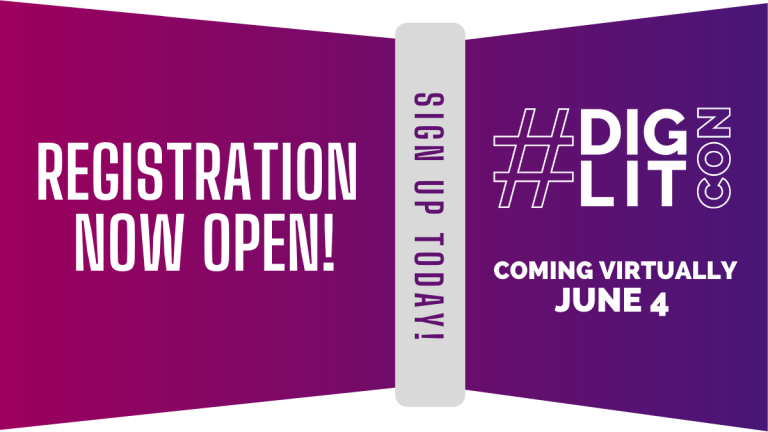
There’s so much to learn about digital literacy, and we cannot wait to see what you take away from the Digital Literacy Conference. Mark June 4th in your calendar and register today to reserve your digital seat at this remarkable professional learning opportunity!